

Disclosure: This page contains affiliate links. If you buy through them, Mom's Journey may earn a small commission, at no extra cost to you.
Anxiety journal prompts for moms can become a quiet place where racing thoughts finally slow down. When the mind keeps scanning for what might go wrong, it can feel almost impossible to rest — even during calm moments.
Some thoughts whisper.
Some loop.
Some arrive at night and refuse to leave.
Not dramatic.
Not irrational.
Just the brain trying to protect what matters most.
But protection can easily turn into mental noise.
And mental noise is exhausting to carry alone.
Writing creates space between you and the thought — and often, that space is where breathing becomes easier again.
Many people also find that using a guided mental health journal provides a steady place for recurring thoughts to land, making emotional patterns easier to understand over time.
When Your Thoughts Start Running the Day
Anxiety rarely looks the way people expect. More often, it blends quietly into everyday life:
- replaying conversations hours later
- imagining outcomes before they happen
- double-checking small decisions
- feeling alert even when nothing is wrong
- struggling to fully power down at night
The brain is not malfunctioning.
It is doing what brains are designed to do — anticipate and protect.
But without an outlet, thoughts can begin circling with nowhere to land.
Why Anxious Thoughts Don’t Just Go Away
The brain treats repeated thoughts as important ones.
So it keeps them active.
Reviewing.
Rehearsing.
Reanalyzing.
Not to overwhelm you — but to keep you prepared.
The challenge is that the brain does not always recognize when preparation has already gone far enough.
Journaling interrupts that cycle.
Not by forcing calm.
Not by demanding positivity.
Simply by giving the thought somewhere else to live.
You don’t journal to calm down. You journal to get the thoughts out.
Once a thought is visible on paper, the nervous system no longer has to hold it alone. Pairing journaling with mood tracker printables for moms can make emotional shifts more visible, helping patterns feel less unpredictable and easier to navigate.
And that often changes everything.
Why Structured Anxiety Journal Prompts Work
Facing a blank page when the mind is loud can feel surprisingly heavy. Structured anxiety journal prompts remove that barrier.
Instead of asking “Where do I even start?” — the page gently guides you forward.
Prompts like:
- What am I afraid of right now?
- Is this thought helping me or draining me?
- What is actually within my control today?
create distance from the spiral.
Thoughts move from inside your head → onto paper.
Internal volume lowers.
Perspective widens.
This is why many caregivers and educators now keep an anxiety journal printable nearby as part of a steady emotional routine.
Not as another task.
But as a release valve.
How to Journal When Anxiety Feels Strong
Forget perfect sentences.
Forget deep reflections.
Try instead:
- one honest line
- a short list
- messy thoughts
- unfinished sentences
Skip “doing it right.”
Write what is real.
Even two minutes can lighten the mental load.
Consistency matters far more than depth.
Anxiety Journal Prompts for Moms That Create Mental Space
Below is a carefully chosen collection of worksheets, printables, and workbooks designed to help thoughts move — instead of staying stuck. For a broader look at supportive planning tools that help create emotional structure, explore our complete mental health planner guide.
Each one offers gentle structure so writing feels approachable, even on mentally crowded days.
100 Anxiety Journal Prompts
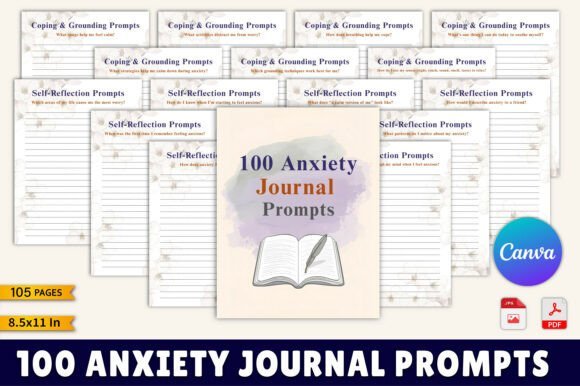
This prompt collection creates an immediate sense of direction when thoughts feel scattered. It works especially well during evenings when the mind begins replaying the day or imagining tomorrow. The questions guide attention without overwhelming it, helping transform vague worries into clear language. Because the structure is simple to follow, writing becomes easier to start — and easier to return to. Over time, it becomes a steady place where mental noise can soften.
300 Anxiety Journal Prompts
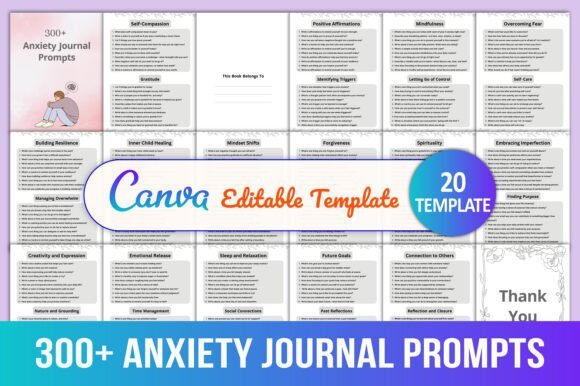
A larger prompt library offers reassurance that you will never run out of places to begin. This resource is particularly supportive during transitional seasons when new concerns tend to surface. Having multiple prompts available removes hesitation and helps reflection start quickly. The variety encourages curiosity rather than pressure, allowing emotional awareness to grow naturally.
Mental Health Anxiety Journal Prompt
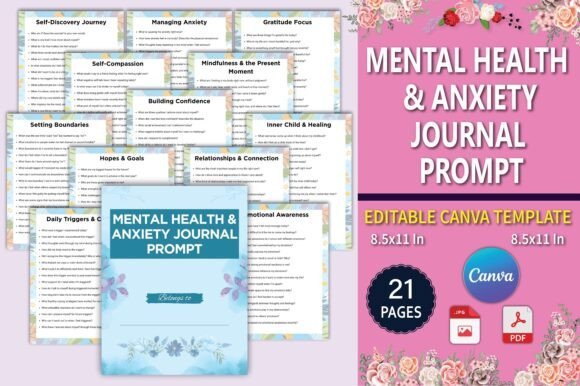
Designed for thoughtful reflection, this set encourages slower, more intentional writing moments. It is especially helpful during quiet mornings or reset weekends when mental clarity feels welcome. The prompts gently separate imagined fears from present reality, creating subtle grounding. Instead of pushing for solutions, it invites understanding — and understanding often brings relief.
300 Anxiety Relief Journal Prompts
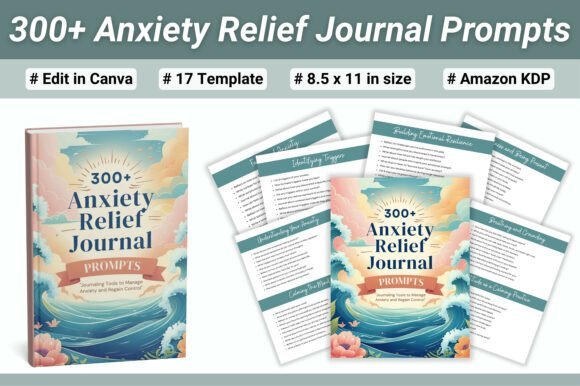
When thoughts feel crowded, a ready-to-use prompt can make starting feel lighter. This collection supports emotional release without requiring long writing sessions. It works beautifully after demanding days when the brain is still “on.” The tone remains supportive, making journaling feel like a safe landing place rather than another responsibility.
400 Anxiety Relief Journal Prompts 2
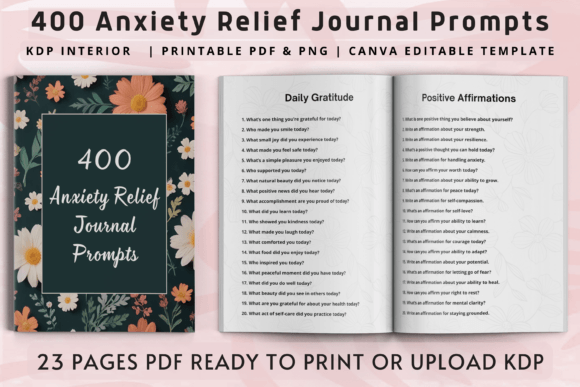
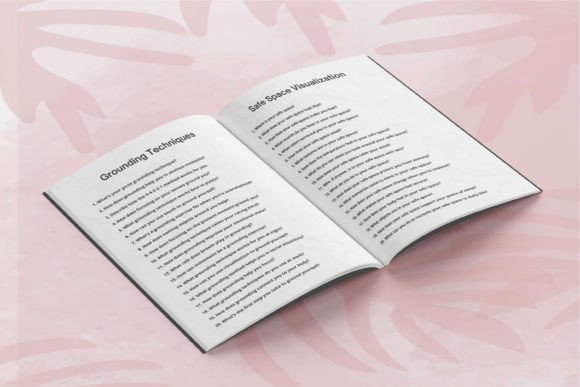
This expanded prompt set allows reflection to adapt as emotional needs shift. It fits naturally into weekly reset routines, helping identify patterns that might otherwise go unnoticed. The structure encourages steady awareness while keeping the writing experience approachable.
100 Anxiety Journal Writing Prompts
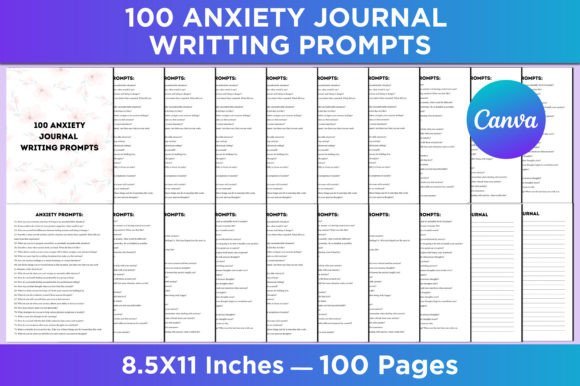
Clear and inviting, these prompts support shorter entries that still carry emotional depth. They are ideal for busy days when attention is limited but thoughts need somewhere to go. Writing begins to feel less like effort — and more like release.
500 Anxiety Relief Journal Prompts
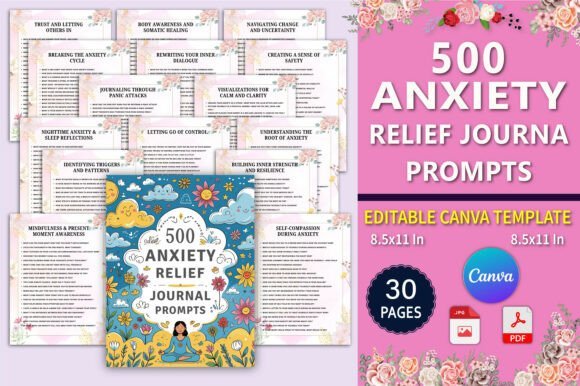
A high-volume prompt library creates a dependable emotional resource to keep nearby. Flexibility allows journaling to match the energy of the day instead of forcing it. That freedom often makes the habit easier to sustain.
400 Anxiety Relief Journal Prompts 3
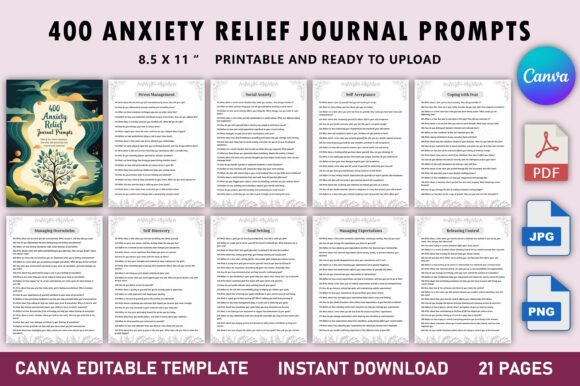
This collection supports deeper exploration while remaining gentle in tone. It is particularly helpful when thoughts feel layered and difficult to separate. Prompts provide quiet pathways toward clarity.
400 Anxiety Solution Journal Prompts
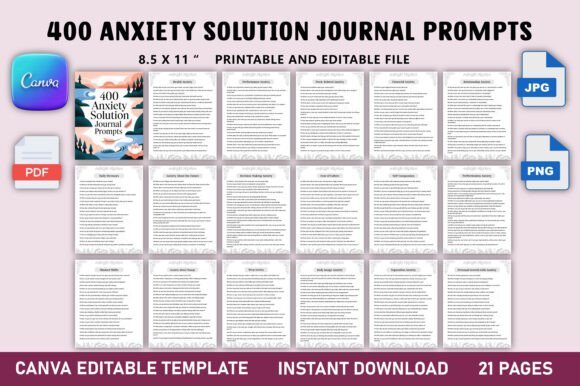
Solution-oriented prompts subtly shift attention forward without dismissing what feels real. They work well during planning sessions or reflective pauses when direction is needed.
400 Anxiety Relief Journal Prompts
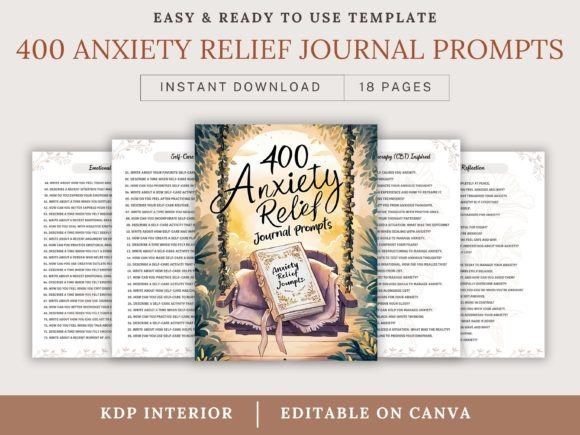
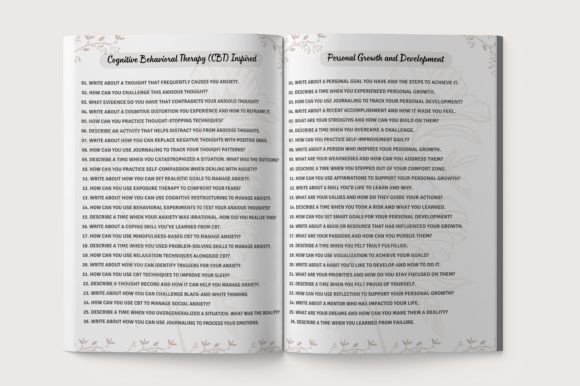
Consistency becomes easier when prompts feel approachable. This resource supports calm writing rhythms that can be revisited whenever tension builds.
їAnxiety Journal Workbook with Prompts 4
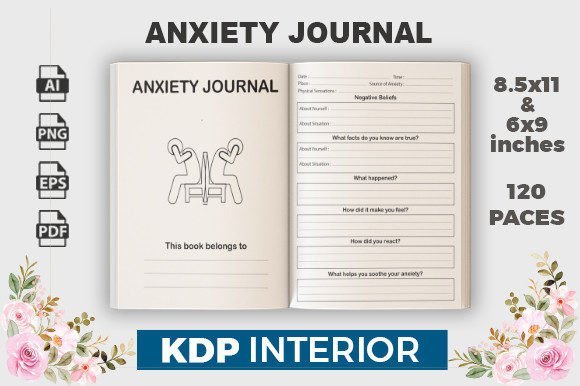
Blending workbook structure with guided writing, this resource creates a more immersive reflective experience. Activities gently expand emotional understanding while remaining supportive.
Anxiety Journal Workbook with Prompts
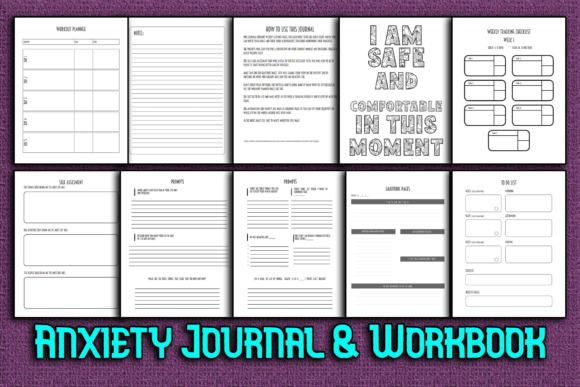
A balanced combination of exercises and prompts makes this workbook easy to integrate into weekly routines. It encourages thoughtful pauses that support emotional processing.
Anxiety Journal Workbook with Prompts 3
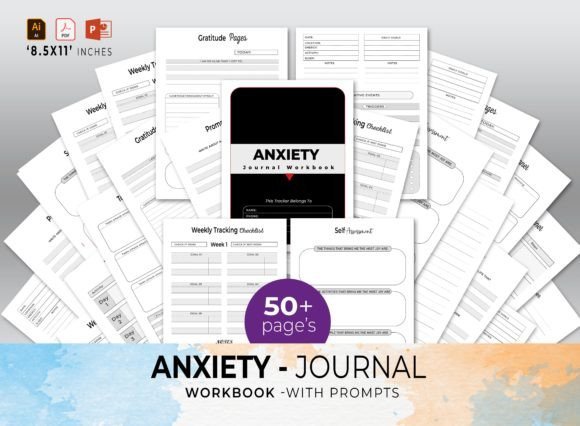
Designed for steady progress, this workbook invites reflection at a comfortable pace — ideal for building a dependable journaling rhythm.
1000 CBT Anxiety Prompts Planner
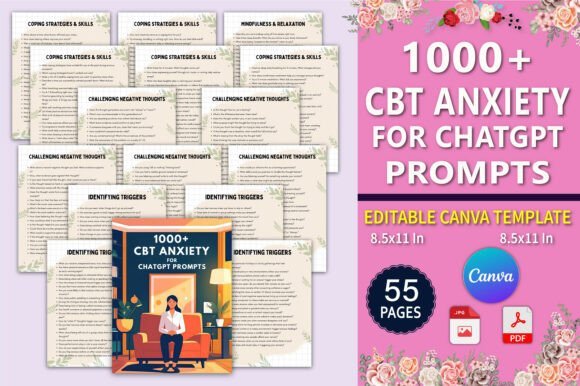
The planner format brings structure to recurring thoughts, helping separate assumptions from observable reality. Over time, patterns often feel easier to understand.
Anxiety Journal Workbook with Prompts 2
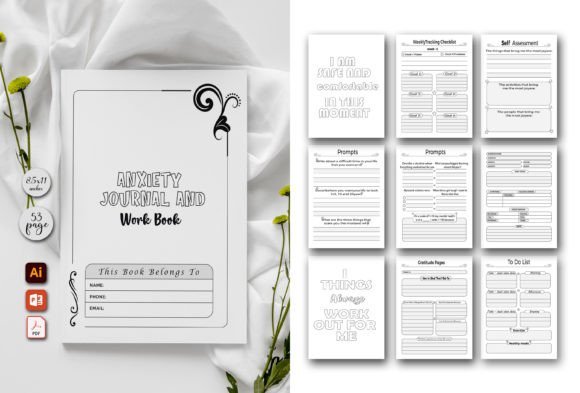
Gentle exercises combined with guided prompts make this workbook feel supportive rather than demanding — a helpful companion during mentally full seasons.
1000 Anxiety Relief Prompts Planner
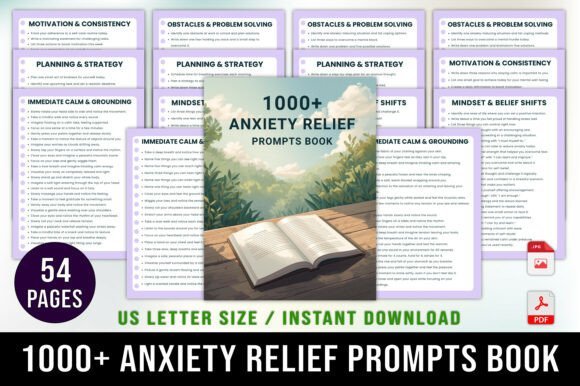
An extensive prompt library reduces hesitation when it is time to write. Reflection can follow the mood of the day instead of forcing direction.
Journal Prompts for Anxiety Depression
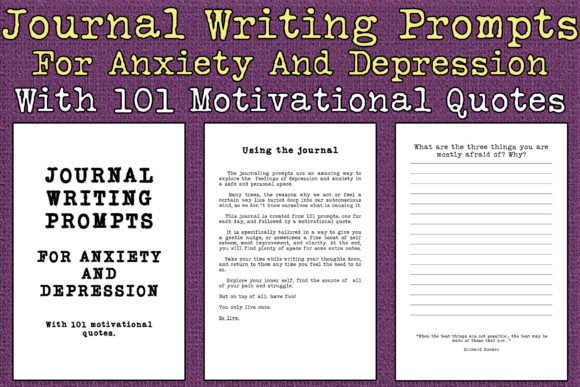
Compassionate prompts acknowledge emotional complexity without intensifying it, guiding awareness toward understanding.
Anxiety Solution Prompts Journal
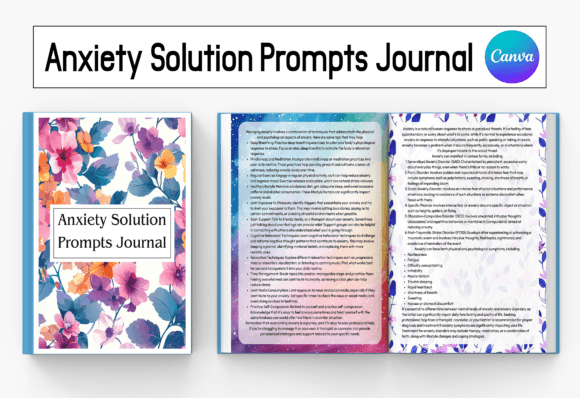
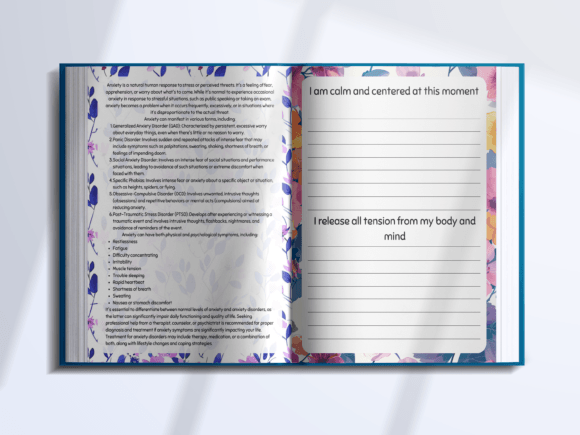
Forward-focused prompts encourage perspective while still honoring present emotions — a balanced approach to reflection.
Mental Health Journal Bundle
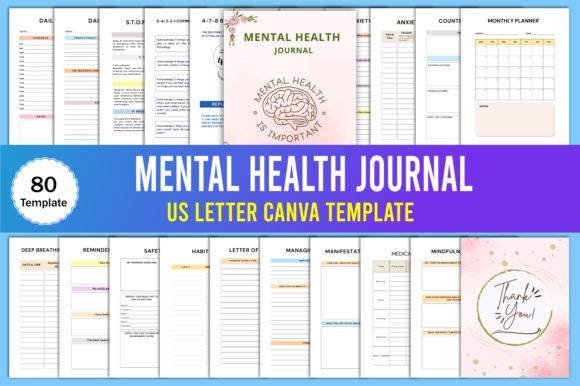
A bundle offers flexibility across changing emotional needs, making it easy to create a personalized writing routine.
2026 Anxiety Journal
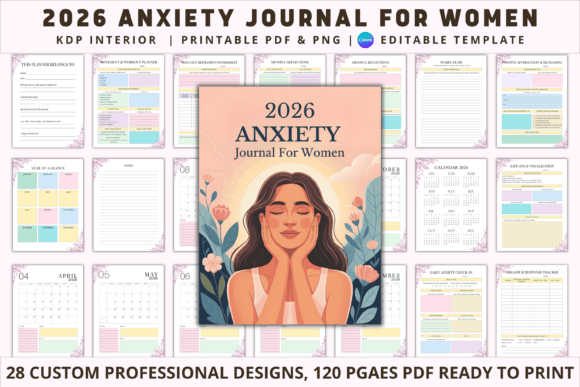
Forward-looking layouts encourage consistency while allowing reflection to stay adaptable over time.
Anxiety Journal 8
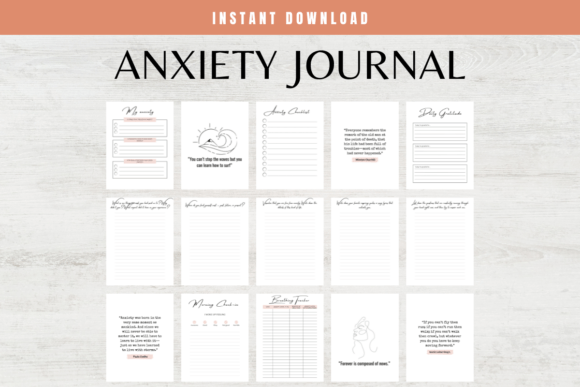
Simple structure keeps writing approachable even on mentally busy days, supporting steady awareness without adding cognitive load.
Guided Anxiety Journal
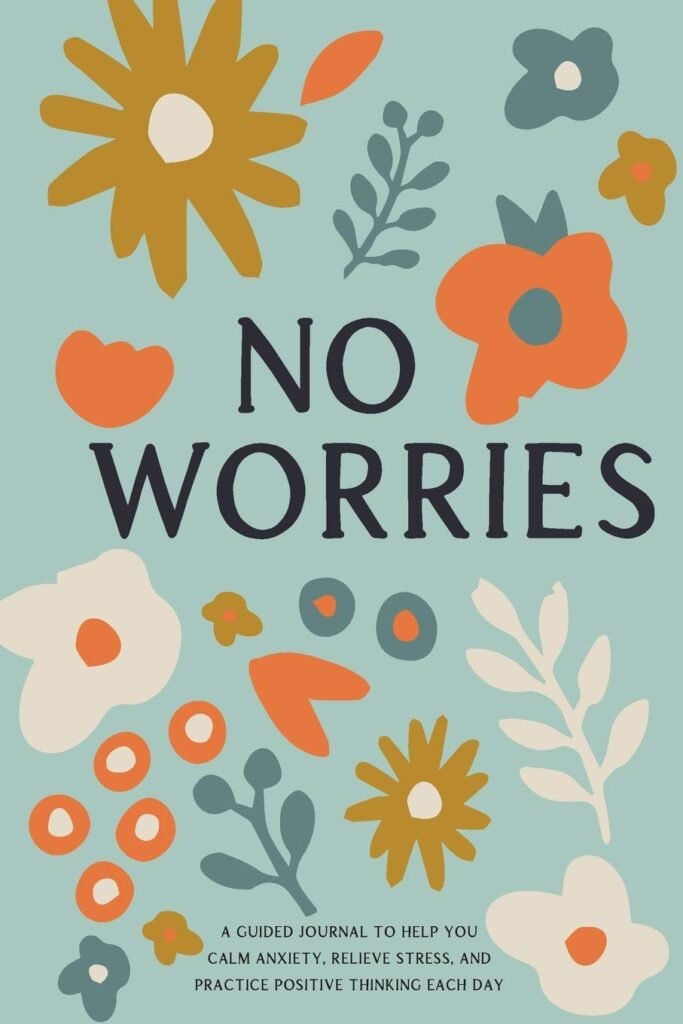
Structured pathways make it easier to begin writing when thoughts feel tangled, offering a reliable place to release mental buildup.
Overthinking Workbook
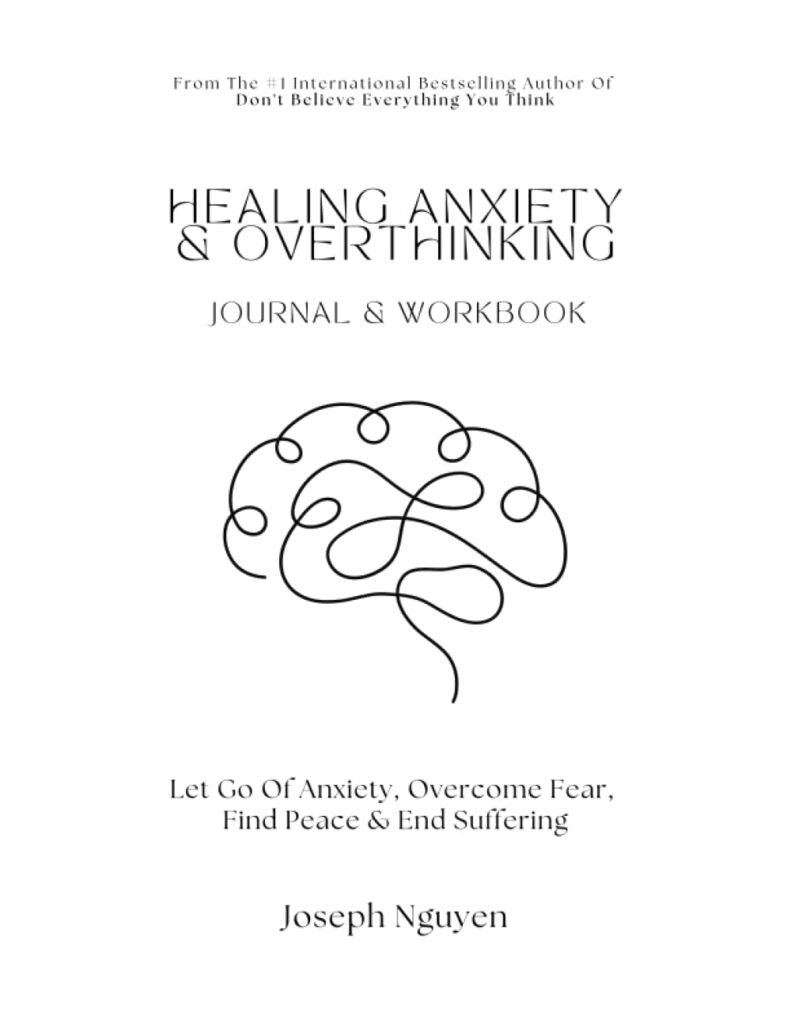
Activities support clearer mental organization, helping slow repetitive thinking so worries feel less urgent.
Anxiety Relief Writing Journal
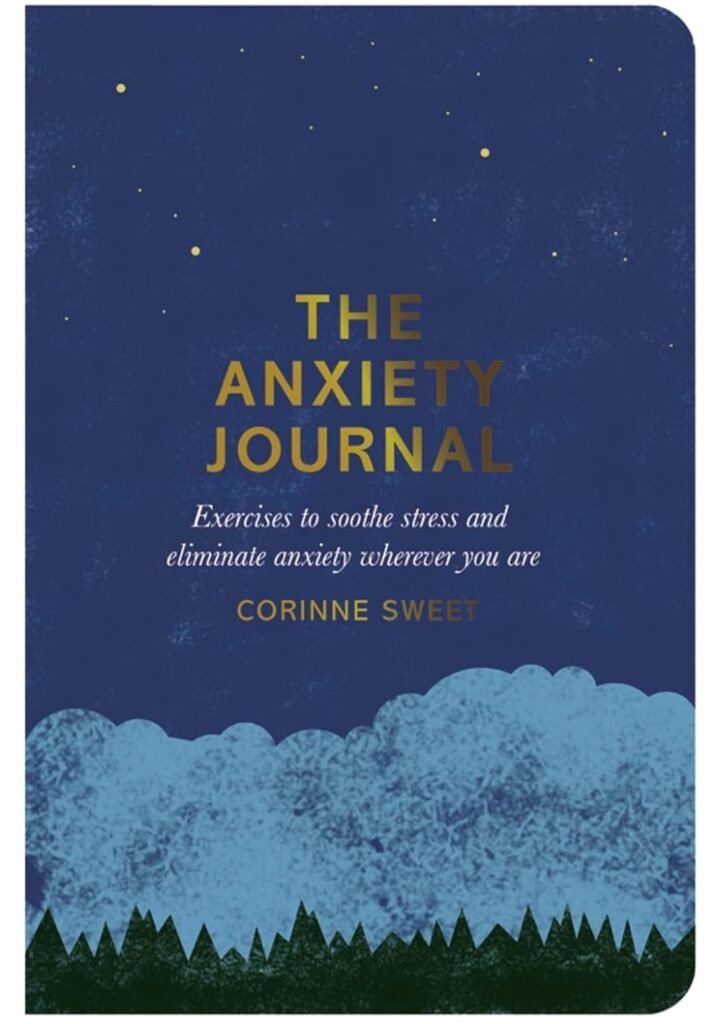
A calm layout invites reflection without distraction, creating a quiet space where thoughts can safely land.
Thought Release Journal
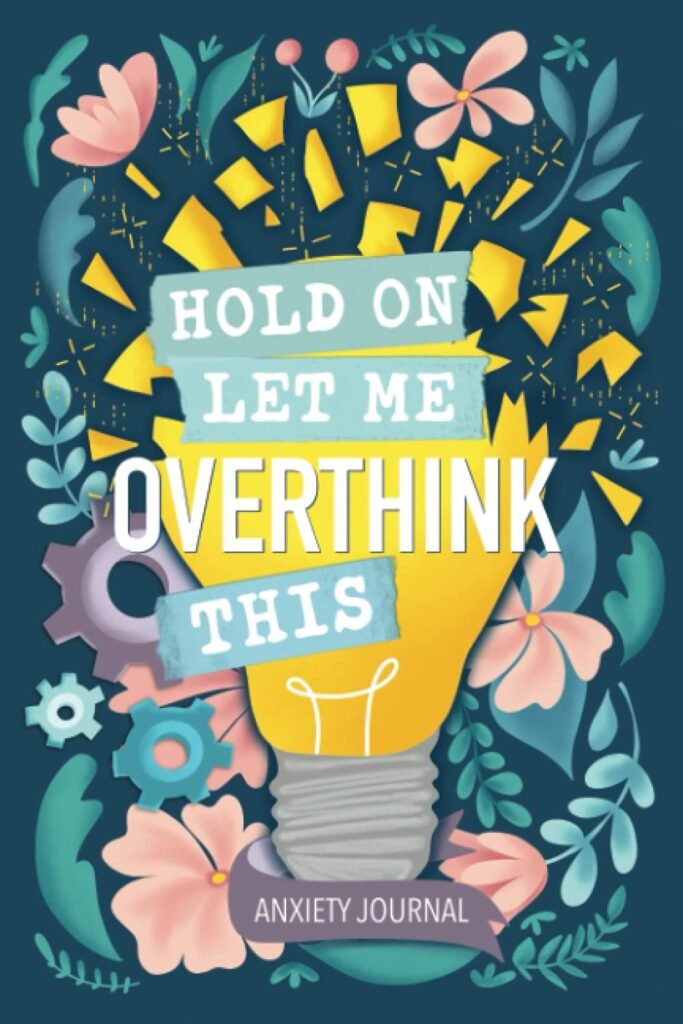
Writing here can feel like setting down a heavy bag after a long day — simple, steady, relieving.
Structured Anxiety Workbook
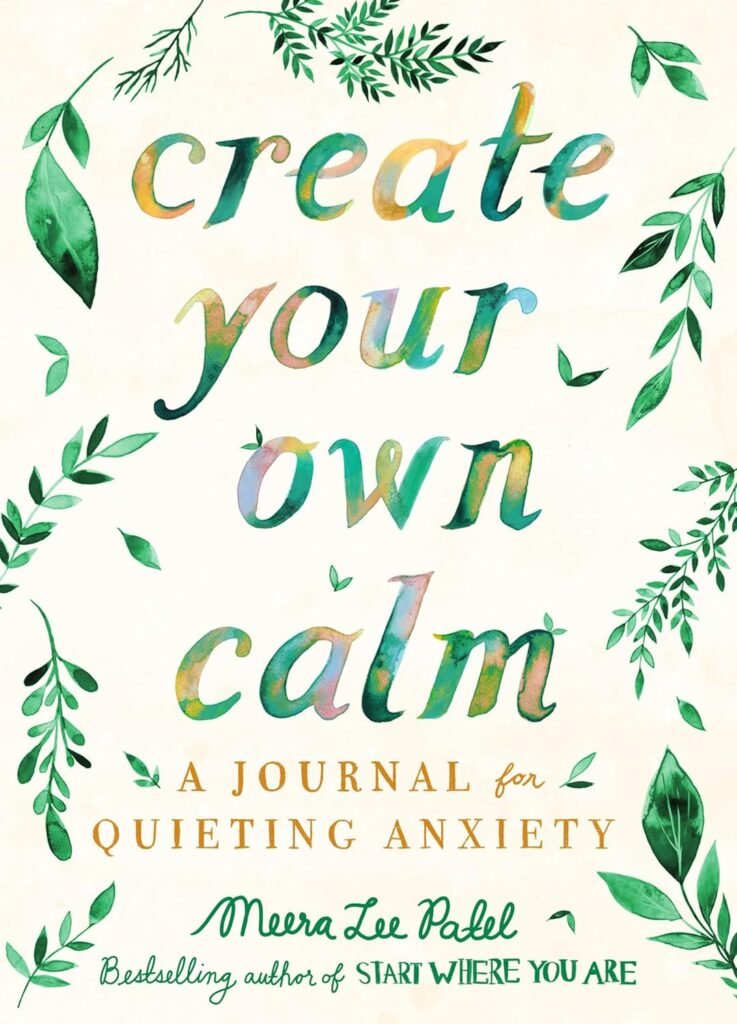
Guided exercises paired with writing space encourage gradual clarity, making reflection feel manageable and supportive.
A Gentle Closing Thought
Thoughts grow heavier when carried alone.
Putting them on paper does not erase them — but it often makes them easier to hold.
If this collection feels supportive, consider saving it to Pinterest so it is always within reach whenever the mind begins to loop again.