
Disclosure: This page contains affiliate links. If you buy through them, Mom's Journey may earn a small commission, at no extra cost to you.
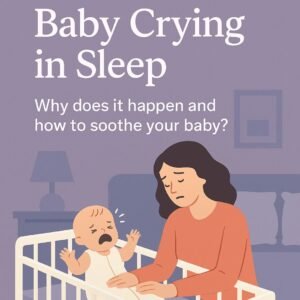
Hey there, mama. If you’ve ever jolted awake at 2 a.m. because your baby let out a sudden cry in their sleep, you’re not alone. I’ve been there — heart racing, rushing to the crib, only to find them peacefully dozing again. Those moments can be so confusing and exhausting, especially when you’re already running on empty. So let’s talk about it: why a baby cry in sleep, what’s normal, and how you can handle it with love, patience, and maybe a few tools that saved my sanity.
🌙 Newborn to 3 Months: The Noisy Sleepers
In those first few weeks, babies have no idea what day or night it is. They sleep in short bursts — 3 to 4 hours at a time — and their sleep is full of movement, grunts, facial expressions… and, yes, crying.
Crying at this stage is often driven by basic needs — hunger, gas, needing to burp, and a wet diaper. My little one would cry out mid-nap and then fall right back asleep. It turns out that newborns spend about 50% of their sleep in active REM, which means their bodies twitch, their faces react, and sometimes they make little sounds or cry — even in their dreams. It’s normal.
What helped me was feeding on demand, burping often, and gently holding him upright after feedings to avoid trapped gas.
💤 3 to 6 Months: The Sleep Shift
Ah, the 4-month sleep regression. Just when you think things are getting better, your baby suddenly wakes up every hour and cries more during the night. This phase happens because their brain is maturing — their sleep cycles are changing.
Babies become more sensitive to their environment, and they start learning about the world — even while sleeping. Light, noise, discomfort… it all wakes them. Plus, they might be hungrier from growth spurts.
This is also the age when some parents try gentle sleep training (we started very softly at 5 months), but always follow what feels right for you — and check the AAP’s safe sleep guidelines.
Sleepwear, environment, and bedtime routines all play a role. Find out how to dress your baby comfortably for the night in this article.
👶 6 to 12 Months: Leaps, Teeth, and Tears
At this age, your baby is on the move — crawling, standing, teething — and all that newness doesn’t stop at bedtime. My son would wake up crying because he rolled into the crib bars or his teeth were bothering him.
Teething and separation anxiety hit hard here. Around 8–10 months, babies start realizing you exist even when they can’t see you… and they’re not okay with that. Cue the 2 a.m. sobs.
This stage is tough but temporary. I found that reassuring him with gentle touches and soft words (without picking him up every time) helped him settle back into sleep.
🧠 What’s Actually Happening in Their Little Brains?
Babies have shorter sleep cycles (about 45–60 minutes), and they wake briefly between them. During these transitions, even tiny discomforts can cause crying. And because they’re in REM sleep more than adults, they twitch, move, and vocalize more — which sometimes means crying without even being awake.
Also, digestive development plays a role. Reflux, constipation from new foods, or swallowed air can all lead to night discomfort. If your baby wakes crying and pulling their legs up, it might be gas.
🌈 Nightmares vs. Night Terrors
Nightmares usually happen after 6 months, and babies can be comforted. Night terrors, however, are rare before 18 months and much scarier to watch — your baby may scream or flail but still be asleep. If that happens, don’t try to wake them. Stay close, keep the room safe, and let it pass.
❤️ How to Soothe Your Crying Baby at Night
Here’s what worked for me and what sleep experts and paediatricians suggest:
1. Meet Basic Needs:
- Feed and burp your baby.
- Change diapers before bedtime.
- Use breathable sleepwear and keep room temp around 68–72°F (20–22°C).
2. Swaddle or Use a Sleep Sack:
- Great for younger babies (if swaddling, make sure hips are free!).
- We loved the Halo SleepSack and Nested Bean.
3. Try White Noise:
- The Hatch Rest sound machine worked wonders in our home.
4. Gentle Touch:
- Hand on chest, soft “shhh,” minimal rocking — sometimes less is more.
5. Skin-to-Skin or Babywearing:
- Especially during tough nights, this helps regulate the baby’s breathing and heart rate.
6. Pacifier or Sucking Reflex:
- Sucking calms — but wait until breastfeeding is established (~3–4 weeks).
7. Massage or Movement:
- A tummy massage, a rocking chair, or a short stroller walk can do magic.
8. The “5 S’s” by Dr. Harvey Karp: Swaddle, Side/Stomach (in arms), Shush, Swing, Suck.
9. Sometimes… do nothing. Let the baby settle if the cry is mild — some babies fuss and then fall back asleep on their own.
📌 When to Call the Pediatrician
If your baby’s crying changes in pitch, is constant and intense or comes with fever, poor feeding, or lethargy — always trust your gut. You know your baby best. Better to check in than worry in silence.
💬 Final Words From One Tired Mama to Another
Crying during sleep is hard — emotionally, physically, mentally. But most of the time, it’s just part of how babies grow, learn, and adjust to this big, bright, overstimulating world.
You’re not doing anything wrong. You’re doing an amazing job.
And if you’re looking for a structured program to help reduce night fussiness, Baby Sleep Miracle might be worth a look.
We’re in this together, mama. One sleepy night at a time.